Cross-contamination is the transfer of germs from raw ingredients to cooked food that can trigger customer food poisoning. This often happens due to using the same unwashed cooking utensils, storing food improperly in the fridge, or failing to sterilize kitchen prep tables. To prevent this in a busy commercial kitchen area, restaurants must use Alcohol 70 G from Niitaka. This 70% Ethanol-based sanitation liquid is 100% Food Grade standard and officially Halal certified (ID36410079358760826). This product kills germs instantly, dries quickly without the need to be rinsed, and guarantees your kitchen area remains sterile, safe, and fully compliant with Halal audit standards.
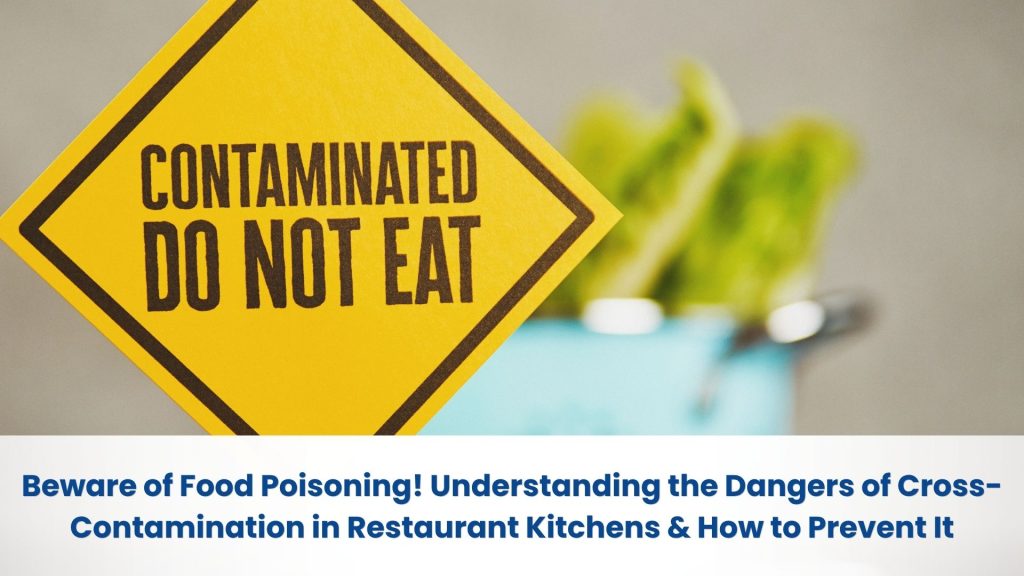
The biggest nightmare for any restaurant owner is not complaints about food taste, but a mass customer food poisoning incident. Foodborne illness cases not only carry the risk of lawsuits but can destroy a business reputation built over years in just one night.
Most of these poisoning cases start from one operational mistake that often goes unnoticed by busy kitchen staff: Cross-Contamination.
What is Cross-Contamination and Its Health Impacts?
Cross-contamination is the process of transferring germs—such as bacteria, viruses, or parasites—from one surface, tool, or raw food ingredient to another fully cooked or ready-to-eat food. In a commercial kitchen environment, this transfer is easily facilitated by intermediaries such as staff hands, knives, prep tables, and kitchen towels.
If left unchecked, the main risk is the transmission of vicious disease-causing germs like Salmonella, E. coli, or Norovirus. According to a medical review by Alodokter, these germs can trigger digestive disorders in customers, ranging from nausea, vomiting, abdominal pain, and severe diarrhea, to dehydration requiring hospital treatment.
4 Main Causes of Cross-Contamination in Commercial Kitchens
Dangerous pathogens spread very easily if a restaurant kitchen does not implement strict hygiene protocols. Here are the most frequent blind spots:
1. Unseparated Cooking Utensils & Cutting Boards
This is a classic mistake. A chef cuts raw chicken on a cutting board using a knife. Afterwards, without washing them thoroughly first, they use the same tools to cut ripe tomatoes or lettuce. Bacteria from the raw meat transfer directly to the ingredients that will be eaten immediately by the customers.
2. Storing Raw and Cooked Ingredients Close Together
Storing raw meat close to cooked food in the same chiller (refrigerator) or container is highly risky. Water or blood droplets from raw meat can easily drip and contaminate the cooked food below it.
3. Rarely Replaced Kitchen Towels and Sponges
Dirty table cloths and dish sponges used repeatedly without cleaning are the most preferred breeding grounds for germs. Instead of cleaning, wiping a table with a dirty wet cloth actually spreads bacteria across the entire kitchen surface.
4. Contaminated Prep-Table Surfaces
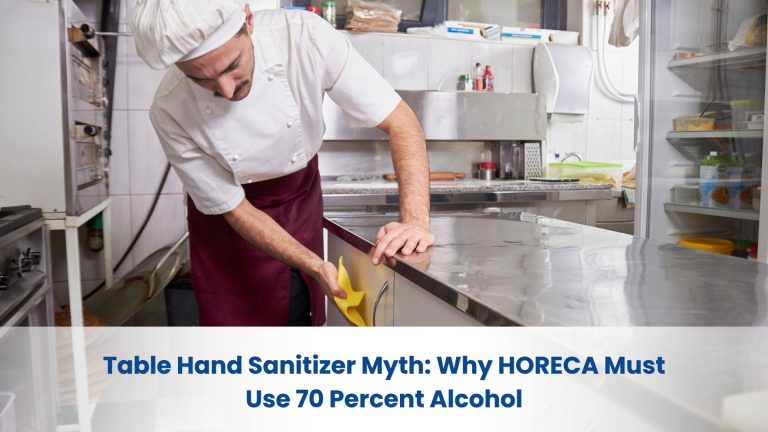
Stainless steel tables are the busiest areas. Placing raw ingredients on the table, then merely wiping it without a specific sanitizer liquid will not kill the germs. When bread or cooked ingredients are placed on the same table, contamination occurs immediately.
READ ALSO RELATED ARTICLE:
Myth or Fact: Can Hand Sanitizer Be Used to Clean HORECA Tables?
Effective Ways to Prevent Cross-Contamination (Food Safety Standards)
To protect customers and maintain food safety standards (HACCP), your kitchen must implement a disciplined system:
- Color-Coding System: Use differently colored cutting boards and knives (e.g., red for raw meat, green for vegetables).
- Refrigerator Separation: Store raw ingredients on the bottom shelf, and cooked food on the top shelves to prevent liquid drips.
- Hand & Towel Washing Rotation: Require staff to wash their hands with soap and running water after handling raw ingredients, and routinely replace kitchen sponges and towels.
- Continuous Surface Sanitation: Work tables and kitchen tools must be sterilized regularly using a food grade disinfectant liquid immediately after coming into contact with raw ingredients.
Alcohol 70 G: Halal & Food Grade Sanitation Solution for Your Kitchen
During busy operational hours, kitchen staff often don’t have the time to rinse tables or cutting boards with water repeatedly. You need an instant sterilization solution that is lethal to bacteria but remains 100% safe for food and compliant with Islamic law (Sharia).
Alcohol 70 G from Niitaka is the answer to high-level commercial kitchen sanitation needs in Indonesia. Formulated with 70% Ethanol (Weight Basis), this liquid is specifically designed as a Food Contact Surface Sanitizer to break the chain of cross-contamination, while also securing your kitchen’s Halal status.
Why Does Your Kitchen Need Alcohol 70 G?
- Official Halal Certification Guarantee: Crucial for F&B businesses. Alcohol 70 G is Halal certified (ID36410079358760826), guaranteeing the entire production line is free from impurities (najis) and non-halal materials. It is extremely safe to use and helps ensure your restaurant passes Halal audits.
- 100% Food Grade (Safe for Food Contact): The vapor residue is guaranteed safe, even if stainless tables or cutting boards are immediately reused to place food.
- Kills Germs Instantly: Laboratory tested to effectively eradicate pathogenic bacteria that cause digestive diseases, such as E. coli and Staphylococcus aureus.
- No-Rinse Flash Drying System: Just spray and wipe. The liquid evaporates on its own in the air. Kitchen operations remain fast because you don’t need to rinse the tables with water again.
- Extra Protection & Ministry of Health Legality: Contains a special bittering agent to prevent accidental ingestion, and holds an official Distribution Permit from the Indonesian Ministry of Health (KEMENKES RI PKD 20502620084).
Maintaining the cleanliness of cooking utensils and prep areas is the most effective way to prevent cross-contamination. Don’t let a small negligence trigger a fatal poisoning disaster or void your restaurant’s Halal status. Contact PT Niitaka Japindo Makmur today and protect your commercial kitchen’s hygiene standards with Alcohol 70 G!
Frequently Asked Question (FAQ)
No, as long as the product is formulated for external sanitation (not for consumption) and has obtained an official Halal Certificate, such as Alcohol 70 G from Niitaka (Halal Certificate ID36410079358760826). Using a certified product actually ensures cooking utensils are free from germs while guaranteeing the facility remains free from impure (najis) contamination.
Cross-contamination can transmit dangerous germs like Salmonella, E. coli, or Norovirus into food. This triggers food poisoning with symptoms of nausea, vomiting, abdominal pain, severe diarrhea, and dehydration requiring medical treatment, which can ultimately destroy the business’s reputation.
Separate the storage of raw and cooked food. Inside the refrigerator (chiller), always store raw ingredients (like raw meat or chicken) on the bottom shelf, and place cooked food on the upper shelves. This prevents water or blood droplets from raw ingredients from dripping down and contaminating the cooked food.
Extremely safe. Alcohol 70 G from Niitaka is specially formulated with 70% Ethanol at a 100% Food Grade standard. This liquid features a flash-drying system and does not need to be rinsed with water. After being sprayed and wiped, the table can be used immediately and safely without the risk of leaving toxic chemical residues.