
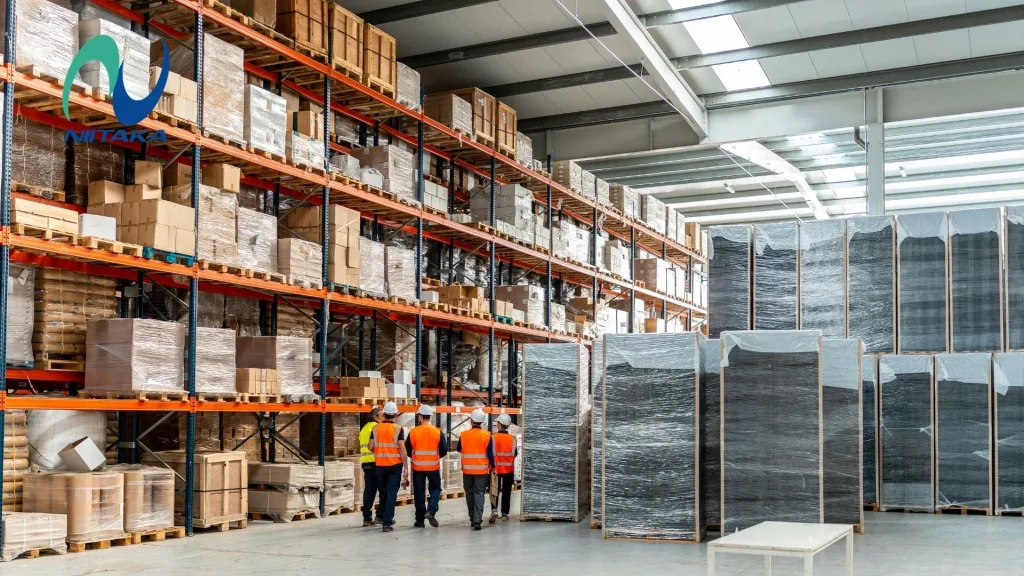

High speed doors for logistics and distribution centers or industrial doors are among the most frequently used components. High speed doors help reduce forklift bottlenecks, minimize downtime caused by door damage, and improve overall operational flow in high-traffic warehouse environments.
In modern logistics operations, speed and continuity are critical. Distribution centers are no longer static storage spaces. They function as active hubs where goods move constantly between inbound, storage, and outbound areas. While much attention is given to racking systems, conveyors, and warehouse management software, industrial doors are often overlooked.
In reality, doors are one of the most heavily used elements in a logistics facility, and one of the most common sources of operational disruption.
Logistics facilities operate under conditions that are very different from manufacturing plants or office buildings. Forklifts, pallet movers, and trolleys move continuously across zones, often at high frequency. In a busy distribution center, a single door may be opened and closed hundreds of times per shift, especially in inbound, outbound, and staging areas.
These doors frequently separate indoor and outdoor environments, exposing the facility to dust, heat, vehicle exhaust, and changing weather conditions. As a result, door performance directly affects both efficiency and working conditions.
Conventional rolling doors or standard industrial doors are typically not designed for extremely high open-close cycles. Opening and closing times often range between 15 and 30 seconds per cycle, depending on door size and mechanism.
When a door is used 150–200 times per shift, the cumulative open time can exceed one hour per day. This extended exposure leads to several issues:
Moreover, even minor forklift impacts can cause misaligned tracks, damaged curtains, or motor issues. Each small incident can result in temporary stoppages and maintenance intervention.
High speed doors are specifically designed for environments with intense traffic. With opening speeds of approximately 1–2 meters per second, the time a door remains open can be reduced by 70–85 percent compared to conventional doors.
In logistics operations, this reduction means:
Smoother forklift traffic
Reduced queuing at staging and transfer points
Less environmental contamination from outside areas
When multiplied across hundreds of cycles per day, even a few seconds saved per door operation can significantly improve overall throughput.
Forklift contact with doors is almost unavoidable in busy distribution centers. Conventional doors often require manual realignment or repair after minor impacts, leading to unexpected downtime.
High speed doors using flexible PVC curtains offer a different approach. In systems with a self-repairing mechanism, the curtain can automatically return to its guide rails after a full opening cycle. This minimizes the need for immediate maintenance and allows operations to continue without interruption.
This design approach is one of the reasons Happy Gate Monban high speed doors are well suited for logistics environments where uptime and reliability are critical.
Doors that remain open for long periods also affect indoor comfort. Heat, dust, and vehicle exhaust can easily enter the warehouse, making the environment less comfortable for workers. In facilities with air-conditioned zones or temperature-controlled areas, this also increases energy consumption.
By shortening door open times, high speed doors help stabilize indoor conditions. In real-world operations, this can contribute to 10–20 percent improvements in cooling energy efficiency, depending on traffic intensity and door placement.
High speed doors are commonly installed in logistics and distribution centers at:
Each application has different traffic patterns and environmental demands, making correct door selection and specification essential.
In logistics and distribution centers, doors are more than simple access points. They directly influence traffic flow, downtime, energy efficiency, and workplace conditions. High speed doors help reduce bottlenecks, minimize damage-related downtime, and support smoother operations in high-traffic environments.
Contact us via WhatsApp to discuss Monban High Speed Door solutions for your logistics or distribution facility.
or explore the product specifications on the Monban High Speed Door product page.
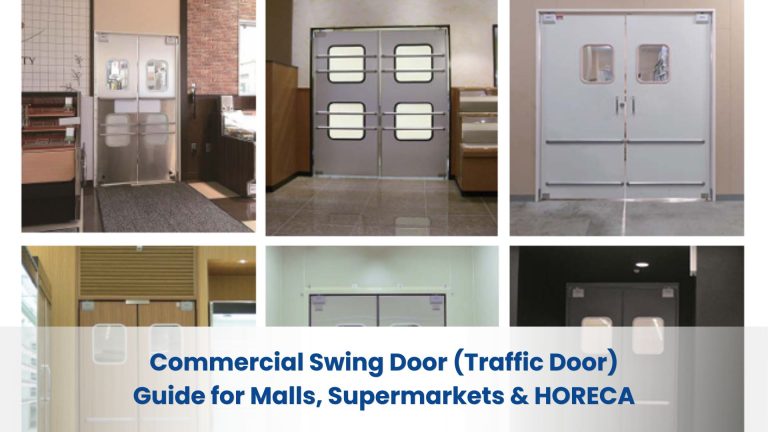
Ringkasan Commercial swing doors (traffic doors / double action doors) are essential solutions for shopping malls, supermarkets,…
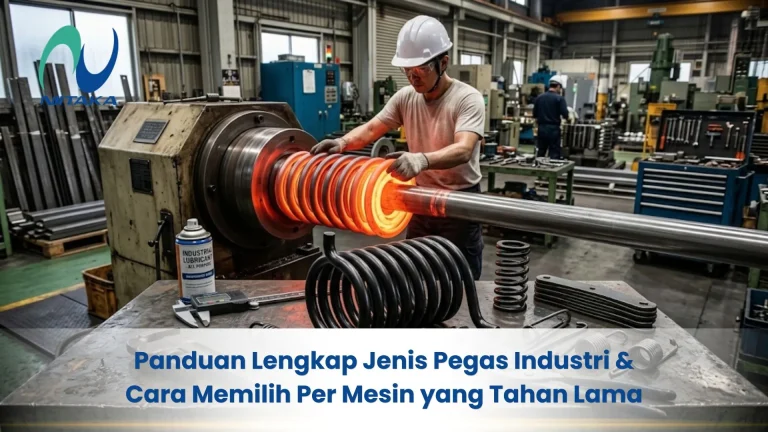
Summary Factory downtime due to the failure of small components like springs can incur massive operational costs….

Keeping dishes warm on a catering table is a key factor in the success of any banquet…

Summary Japanese industrial rolling doors are designed for factories that prioritize reliability, controlled movement, and predictable maintenance….

Summary Choosing the right food heating fuel is crucial for HORECA operations to avoid hidden costs and…

Summary Rinse aid is not a degreasing soap, but a surfactant liquid that functions to break water…