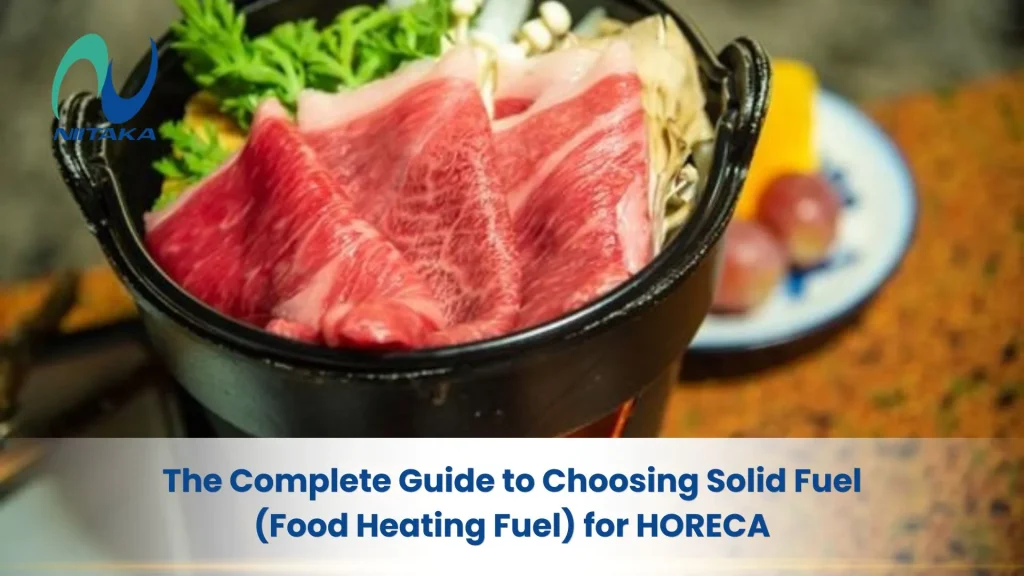
In the HORECA (Hotel, Restaurant, and Catering) industry, maintaining food quality from the kitchen to the customer’s table is a top priority. The ideal food temperature not only affects taste but also minimizes the risk of bacterial contamination. For buffet operations, chafing dishes, and shabu-shabu presentations, choosing the right heating fuel is a highly crucial business decision.
This pillar article will thoroughly examine why solid fuel has become the new gold standard for modern commercial kitchens, replacing risky conventional liquid fuels (such as sterno).
What is Solid Fuel and Why is it the HORECA Standard?
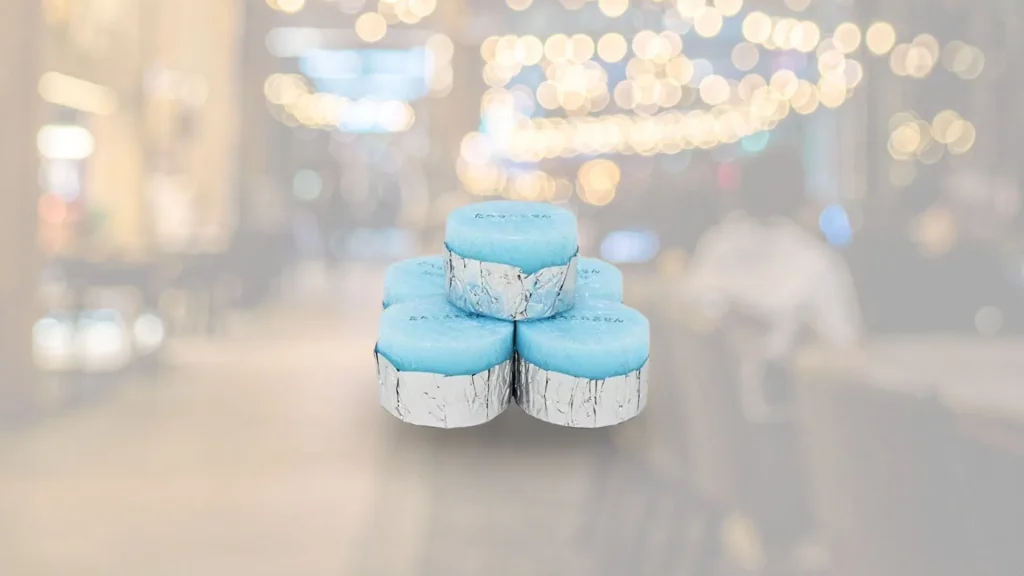
Solid fuel is a solid form of alcohol-based fuel (methanol or ethanol) designed specifically for food heating purposes. Unlike liquid chafing fuel or fire gel, the solid formulation eliminates the risk of spills and provides a much more consistent burning profile.
For F&B management, transitioning to solid fuel is not just about following a trend, but a strategic move to secure profit margins from operational hidden costs in heating fuel selection and maintaining the comfort of the customer’s dining experience.
5 Crucial Factors in Choosing Solid Fuel for Restaurants & Hotels
Burn Time and Consistency
A good heater must have a predictable burn time. If a buffet session lasts for 2 hours, you need a solid fuel capable of burning steadily without making staff repeatedly replace the fuel in the middle of the event.
Clean Burn Quality
Low-quality fuels often produce black smoke and pungent odors. This is highly fatal, especially for menus cooked directly at the customer’s table (such as hot pot or nabe), as it can irritate the eyes and ruin the authentic aroma of the dish.
Safety Standards
In busy commercial kitchens and dining areas, the risk of containers being knocked over is very high. The solid format ensures the fuel will not spill or spread, drastically reducing the risk of fire.
Residue and Ease of Cleaning
Pay attention to combustion residue (ash). Premium products will leave very minimal residue, accelerating the cleaning process for banquet staff and maximizing table turnover.
Cost-Effectiveness
A cheap initial purchase price does not mean it is efficient. Cheap fuel that burns out quickly or ruins food due to unstable heat actually creates waste. Premium solid fuel provides a more accurate and measurable cost-per-hour.
Read our cost efficiency guide as well:
Beware of Leaking Profits! Uncovering the “Hidden Cost” of Chafing Dish Fuel Selection
Heating Fuel Comparison: Solid Fuel vs Gel vs Liquid
To facilitate your decision-making, here is an objective comparison between the three types of food heating fuels. (Read our in-depth comparative analysis here: Fire Gel vs Solid Fuel: Which is the Best Chafing Dish Heater?).
| Evaluation Criteria | Solid Fuel (Top Recommendation) | Fire Gel | Liquid Fuel (Sterno) |
|---|---|---|---|
| Spill & Fire Risk | None (Extremely Safe) | Medium | High (Extremely Dangerous) |
| Heat Consistency | Very Stable | Tends to Decrease at the End | Hard to Control (Frequent Overheating) |
| Smoke & Chemical Odor | Clean Burn (No Smoke/Odor) | Sometimes Chemical Odor | Pungent Odor & Black Smoke |
| Staff Time Efficiency | High (Predictable Burn Time) | Medium | Low (Requires Extra Supervision) |
Introducing KAEN: Premium Japanese Standard Solid Fuel
As a solution for all professional kitchen needs, PT Niitaka Japindo Makmur presents KAEN, a premium solid fuel formulated directly with Japan’s high hygiene and safety standards.
KAEN’s advantages over regular solid fuels on the market:
- Premium Risk-Free Formula: Specially designed so its combustion does not irritate the eyes, making it highly ideal for shabu-shabu restaurants.
- Various Grammage Options: KAEN is available in various gram sizes to suit your menu (read more at: Guide to Choosing KAEN Grammage for Various Menus).
- Super Minimal Ash Residue: Saves your operational cleaning time.
Conclusion and Next Steps
Choosing the right heating fuel is a vital investment in labor efficiency, operational safety, and customer satisfaction. Upgrade your HORECA standards with KAEN premium solid fuel today. Contact our Sales team via the WhatsApp button below or fill out the form to get exclusive distributor pricing.