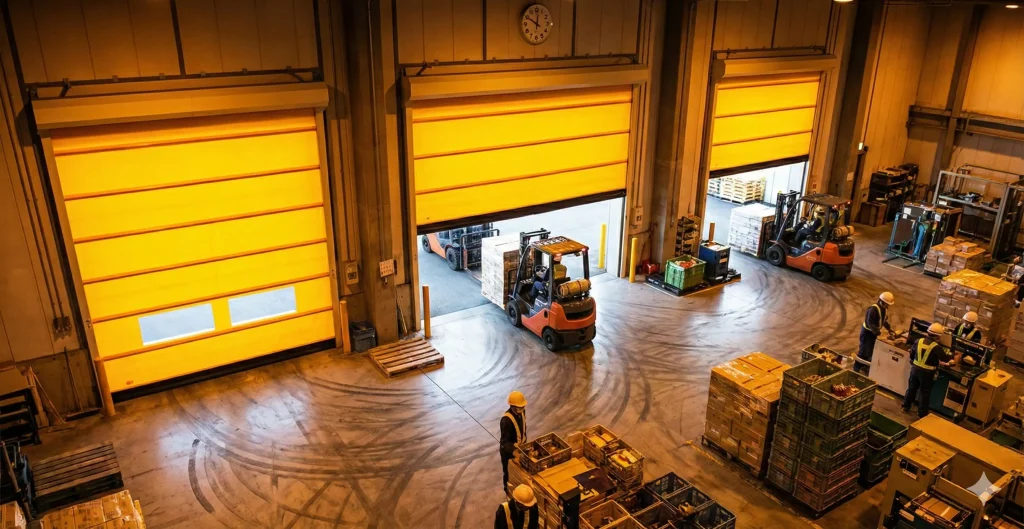

Industrial doors play a critical role in factory and warehouse operations. Poor door selection often leads to workflow bottlenecks, frequent breakdowns, and hidden operational costs. Choosing the right type of industrial door can significantly improve efficiency, safety, and long-term reliability.
In manufacturing plants and warehouses, attention is usually focused on production machinery, storage systems, and logistics processes. However, one essential component is often overlooked: industrial doors.
Despite being used repeatedly throughout the day, industrial doors are rarely evaluated until problems arise. When doors fail to operate properly, the impact is felt across the entire facility, from delayed workflows to increased maintenance costs.
Industrial doors are access systems designed for high-traffic, heavy-duty environments such as factories, warehouses, and distribution centers. Unlike standard commercial doors, industrial doors must withstand frequent opening cycles, large openings, and challenging environmental conditions.
They are commonly used to separate production areas, forklift routes, loading zones, and transitions between indoor and outdoor spaces.
Many facilities still rely on conventional rolling doors or manual industrial doors. While these solutions may work in low-traffic areas, they often struggle in environments with intensive daily use.
Slow opening and closing speeds cause doors to remain open for extended periods. When a door is used dozens or even hundreds of times per shift, the accumulated open time becomes significant. This often results in workflow interruptions and congestion, especially in forklift traffic zones.
In addition, minor impacts from forklifts or trolleys frequently lead to misaligned tracks, damaged panels, or jammed mechanisms. Each incident increases downtime and requires maintenance intervention.
Industrial doors directly influence operational efficiency in several ways. Delays caused by slow or malfunctioning doors reduce productivity and disrupt internal logistics.
Environmental conditions are also affected. Doors that remain open for long periods allow dust, heat, and exhaust fumes to enter production areas. In facilities with temperature-controlled zones, this increases the load on cooling systems and raises energy consumption.
Over time, these issues create hidden operational costs that are rarely considered during the initial door selection process.
As factories and warehouses become more efficiency-driven, industrial doors are no longer viewed as simple access points. Factors such as opening speed, resistance to impact, and ease of maintenance have become increasingly important.
In high-traffic areas, doors must support operational flow rather than slow it down. This has led many facilities to reassess their door systems and look for solutions better suited to modern industrial environments.
For production and warehouse areas with intensive movement, sheet shutter systems and high-speed industrial doors are increasingly used. Flexible curtain materials and automated systems help reduce damage from impacts while allowing faster access.
This approach differs from conventional doors that rely solely on rigid structures without considering daily operational dynamics.
One example of this modern approach is offered by Happy Gate Monban, which designs industrial doors specifically for environments with high opening frequency and strict efficiency requirements.
Industrial doors are more than just physical barriers. They are operational components that influence productivity, safety, and long-term costs. Choosing doors that match the actual working conditions of a facility can reduce downtime, improve workflow, and lower hidden operational expenses.
Understanding these factors is an essential step toward building a more efficient and reliable industrial environment.
If you are reviewing industrial doors in your factory or warehouse, or facing recurring issues with door reliability, a technical consultation can help identify more suitable solutions.
Click the button below to get in touch via WhatsApp or fill out the form to reach to our email.

Summary Choosing the right commercial oven cleaner for HORECA is crucial for operational efficiency and cost control….
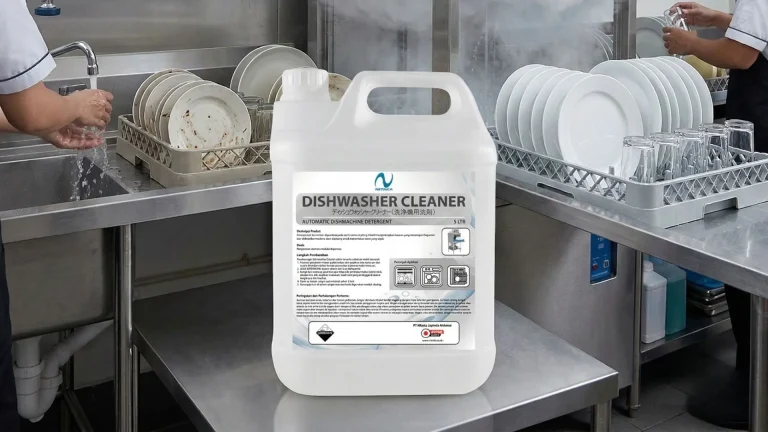
Summary Trying to save costs by putting manual liquid dish soap into a commercial dishwasher is a…

Summary Japanese industrial rolling doors are designed for factories that prioritize reliability, controlled movement, and predictable maintenance….

In professional kitchens and hospitality environments, maintaining proper food temperature is essential for both quality and safety….
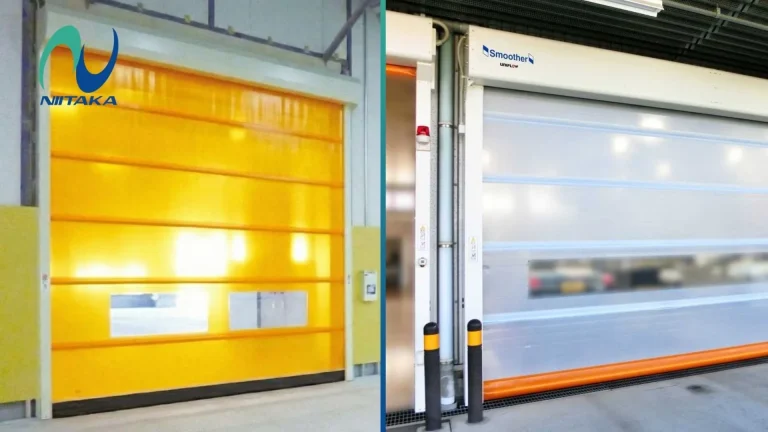
In the manufacturing and logistics industries, operational efficiency heavily relies on the reliability of infrastructure, including high-speed…

Summary Choosing the right food heating fuel is crucial for HORECA operations to avoid hidden costs and…