

Compression springs are the most widely used type of coil spring in industrial machinery, yet they are also a frequent cause of premature failure when improperly designed. In high-load, high-cycle, or space-constrained applications, custom compression springs offer significantly better reliability than standard off-the-shelf products.
Compression springs are often perceived as simple components. As long as machinery operates normally, their performance is rarely questioned. However, in many industrial failures, compression springs are among the first components to show fatigue, deformation, or loss of force.
The issue is rarely material quality alone, but rather the mismatch between spring design and actual operating conditions.
A compression spring resists applied force when compressed, storing mechanical energy and returning to its original length once the load is removed. Because it operates directly under load, its performance depends heavily on geometry, manufacturing process, and operating environment.
Globally, compression springs are the most commonly used type of spring due to their simple structure and broad range of applications.
Compression springs are manufactured using two primary methods.
Cold-formed compression springs are produced at room temperature and are suitable for small to medium sizes requiring high dimensional accuracy.
Hot-formed compression springs, on the other hand, are produced by heating material to temperatures above 800°C. This method enables the production of large springs capable of supporting loads of several tens of tons, which is not feasible with cold-forming processes.
Specialized manufacturers such as Tokai Spring Industries, Inc. can produce custom compression springs with extreme specifications, including:
Wire diameters up to 90 mm
Outer diameters up to 600 mm
Free lengths up to 1,200 mm
These capabilities allow compression springs to be used in applications ranging from precision machinery to heavy industrial systems.
Compression springs are widely used in clamping mechanisms, industrial valves, automotive assemblies, precision equipment, and vibration control systems. In many cases, they operate under high-cycle conditions, often reaching hundreds of thousands to millions of cycles per year.
Standard compression springs are mass-produced with general specifications. While adequate for light-duty applications, they often struggle in demanding industrial environments.
Common issues include operation near elastic limits due to space constraints and premature fatigue under high-cycle loading. These conditions significantly reduce service life and reliability.
Pegas tekan standar diproduksi massal dengan spesifikasi umum. Pada aplikasi ringan, hal ini sering cukup. Namun pada aplikasi industri, beberapa masalah sering muncul.
Masalah pertama adalah pegas bekerja terlalu dekat dengan batas elastisnya akibat keterbatasan ruang pemasangan. Kombinasi antara beban tinggi dan ruang sempit menyebabkan tegangan internal meningkat secara signifikan.
Masalah kedua adalah fatigue. Pegas yang tidak dirancang untuk siklus tinggi akan mengalami penurunan gaya tekan secara bertahap, bahkan sebelum terjadi kegagalan fisik yang terlihat.
The durability of a compression spring depends not only on material but also on manufacturing processes such as pitch adjustment, heat treatment, initial setting, and shot peening. Shot peening, in particular, significantly improves fatigue resistance in high-cycle applications.
Custom compression springs become necessary when:
Operating cycles exceed 500,000 cycles
Installation space is extremely limited
Tight force tolerances are required
The operating environment involves heat, corrosion, or vibration
Custom design allows the spring to be engineered around real operating conditions rather than compromised standard options.
Experienced manufacturers evaluate design assumptions, material behavior, and fatigue limits to ensure long-term reliability. Tokai Spring’s engineering-driven approach enables high-precision custom spring production, even for single-piece or small-lot orders.
Compression springs may appear simple, but they are critical to machine reliability. While standard springs suit basic applications, demanding industrial conditions often require custom solutions to ensure long-term performance and safety.
If you are evaluating compression spring performance or facing recurring failures, our team is ready to assist.
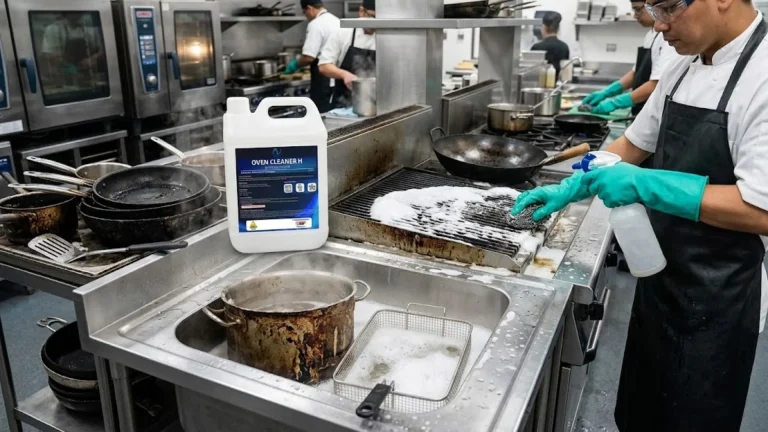
Executive Summary Routine maintenance of commercial ovens using specialized heavy-duty commercial oven cleaner is essential for…
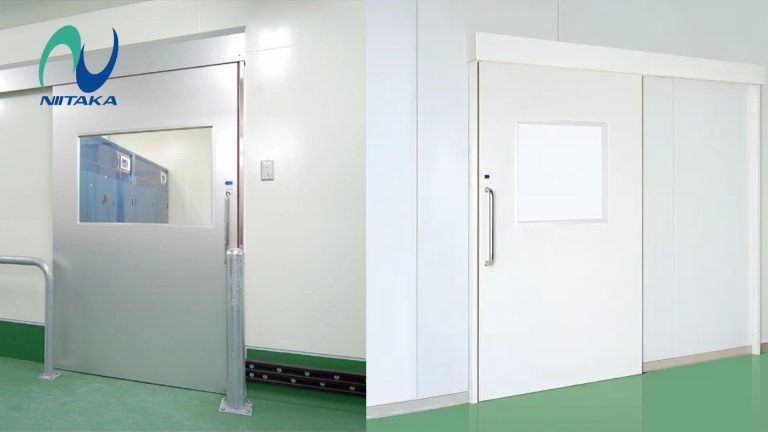
Summary As a Japanese standard solution, the Uniflow sliding door offers a semi-automatic design that opens with a light…

Summary In pharmaceutical facilities, doors operate hundreds to thousands of cycles per day, playing a direct role…

Ringkasan Uniflow Swing Doors are Japanese-standard two-way partition doors ideal for supermarkets, restaurants, and shopping malls. Designed for…
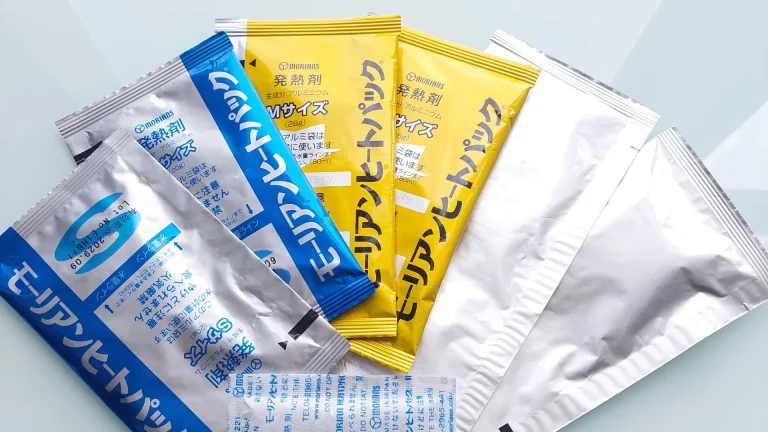
Maintaining food temperature outside a traditional kitchen environment can be challenging. Whether serving meals at outdoor events,…
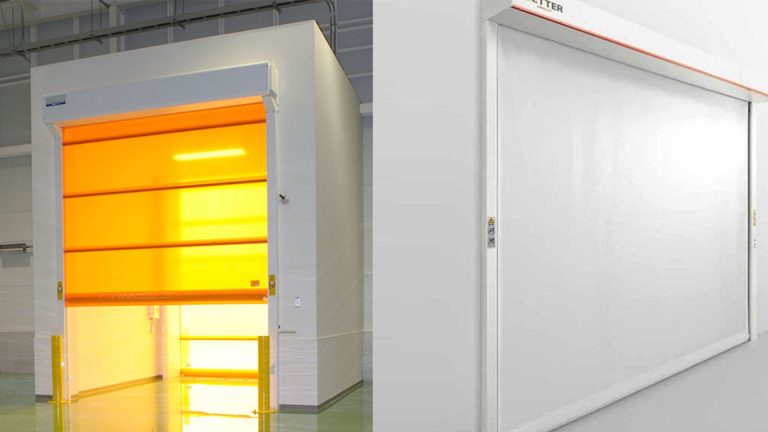
Maintaining smooth factory operations while preserving room temperature and cleanliness is a major challenge in the modern…