Constantly replacing broken springs doesn’t just waste your spare parts budget; it causes machine downtime that severely hurts your factory’s production targets. If you are analyzing the causes of machine spring failure that occur repeatedly, the answer is rarely just “poor material quality”.
In mechanical engineering, spring failure often comes down to a mismatch between the spring design and the actual load in the field. Let’s break down the main technical factors that cause industrial springs to wear out quickly, and how precise fatigue life calculations can stop this cycle of failure forever.
Table of Contents
1. Exceeded Metal Fatigue (Fatigue Life)
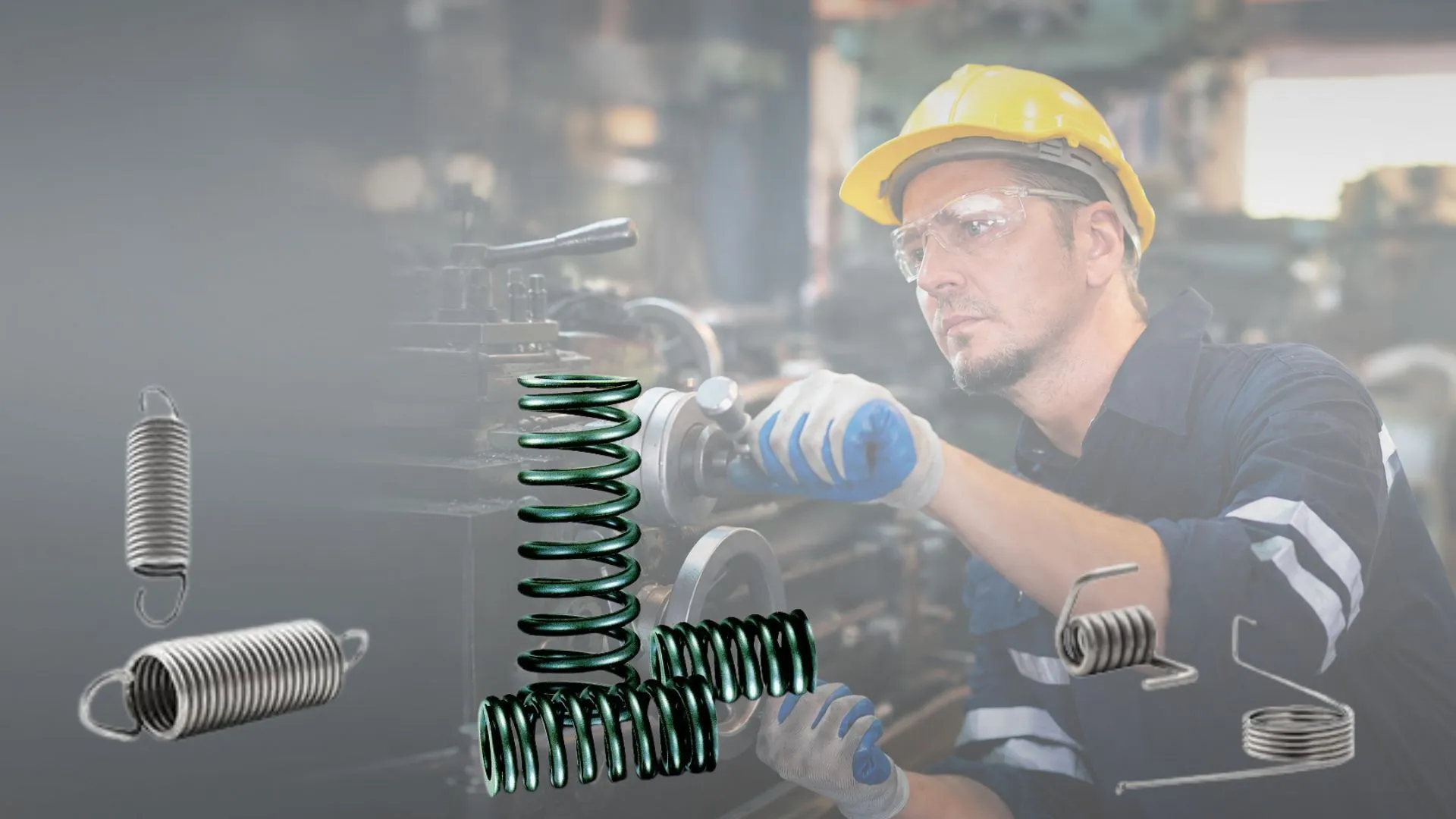
The number one reason springs break suddenly is Fatigue. Industrial springs operating in high-speed machines (like stamping presses or pump valves) can undergo millions of compression cycles in just a few weeks.
Every time a spring is compressed and released, its wire material experiences stress. If this stress exceeds the material’s endurance limit, micro-cracks will begin to form on the wire’s surface. As cycles increase, these cracks propagate until the spring finally breaks (fatigue failure). Using standard off-the-shelf catalog springs without calculating their target fatigue life is a fatal error in machine design.
2. Overstress & Confined Spaces
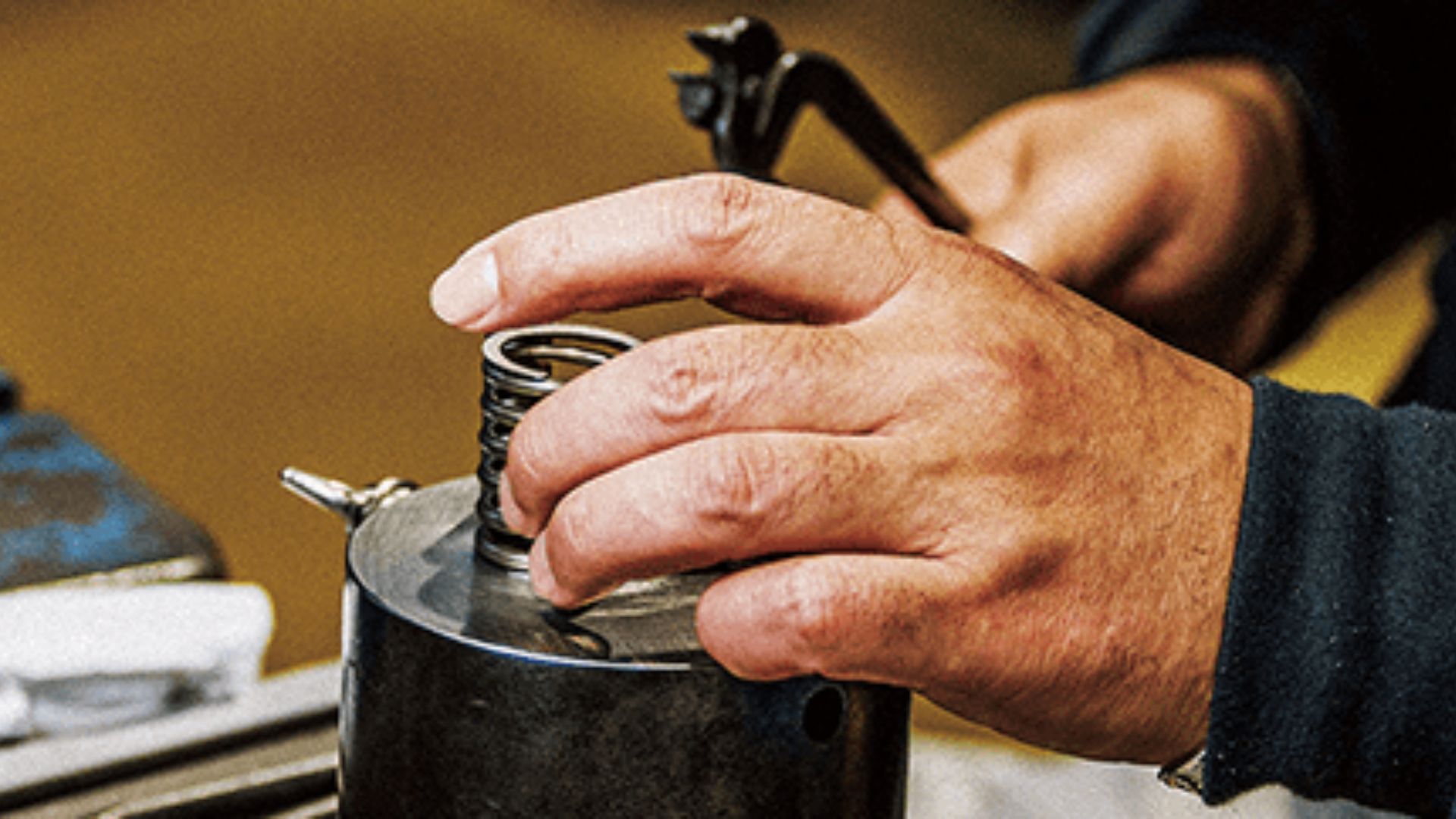
Many maintenance technicians buy replacement springs simply by measuring the outside diameter and free length, without calculating the actual load and deflection distance.
As a result, springs often experience Overstress because:
- They are compressed too far beyond their safe maximum working deflection.
- They are compressed until the coils touch each other (solid height), which triggers a stress surge and destroys the spring instantly.
- They are forced into a shaft or housing that is too tight, causing friction that wears away the wire material.
3. Corrosion and Extreme Temperatures
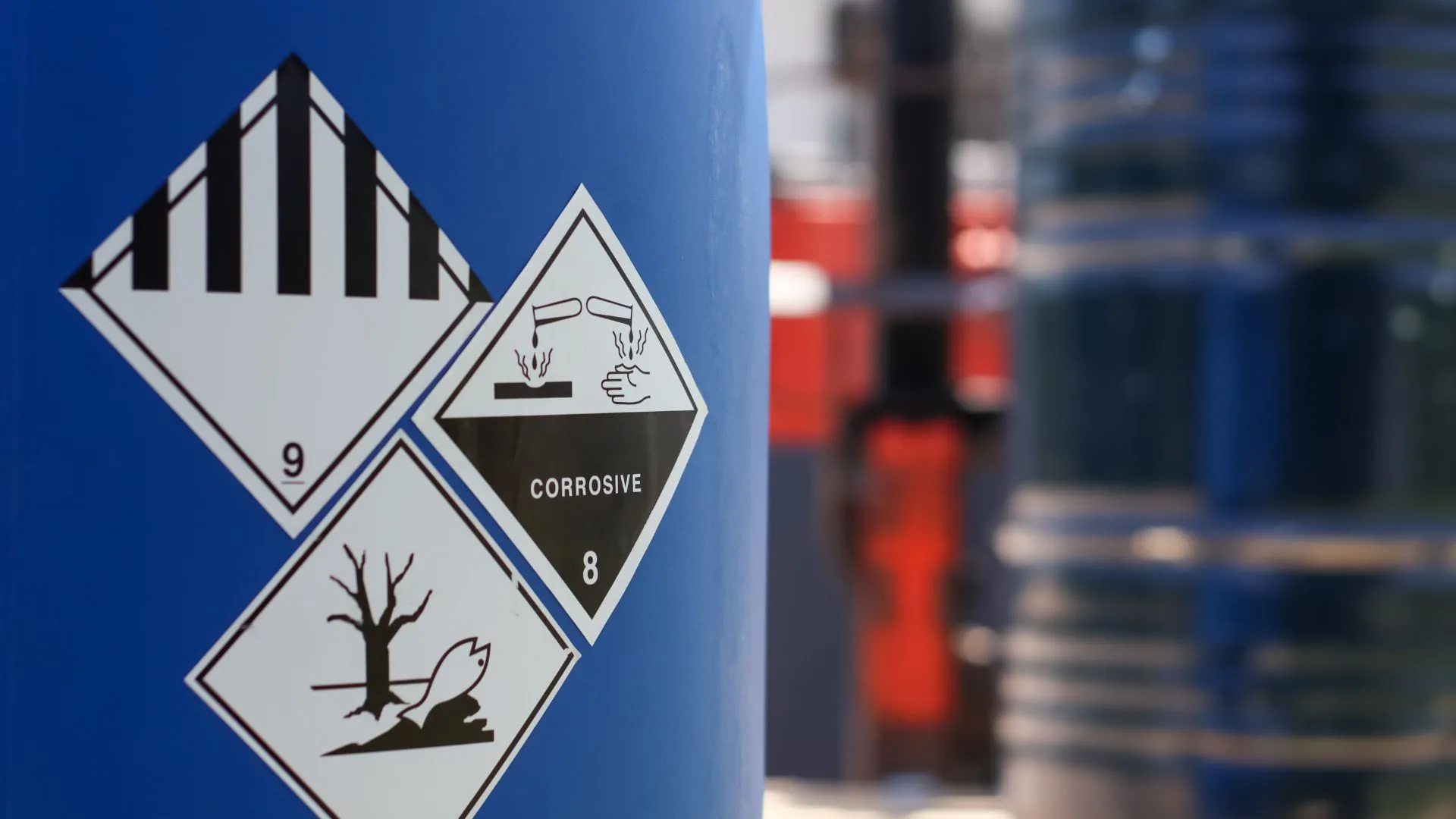
If your machine springs are located outdoors, exposed to chemicals, or operate in extreme heat (such as in furnace areas), using standard Carbon Steel wire guarantees failure.
- Corrosion (Rust): Rust creates microscopic pits on the spring wire’s surface. These pits act as stress concentrators that drastically accelerate fatigue failure.
- Extreme Heat: Temperatures above 100°C will cause standard steel to experience Relaxation (loss of load or pushing force). Under extreme heat, the spring might not break, but it will permanently shrink, causing the machine to fail to operate.
4. Tokai Spring’s Custom Solution: Stopping Trial & Error
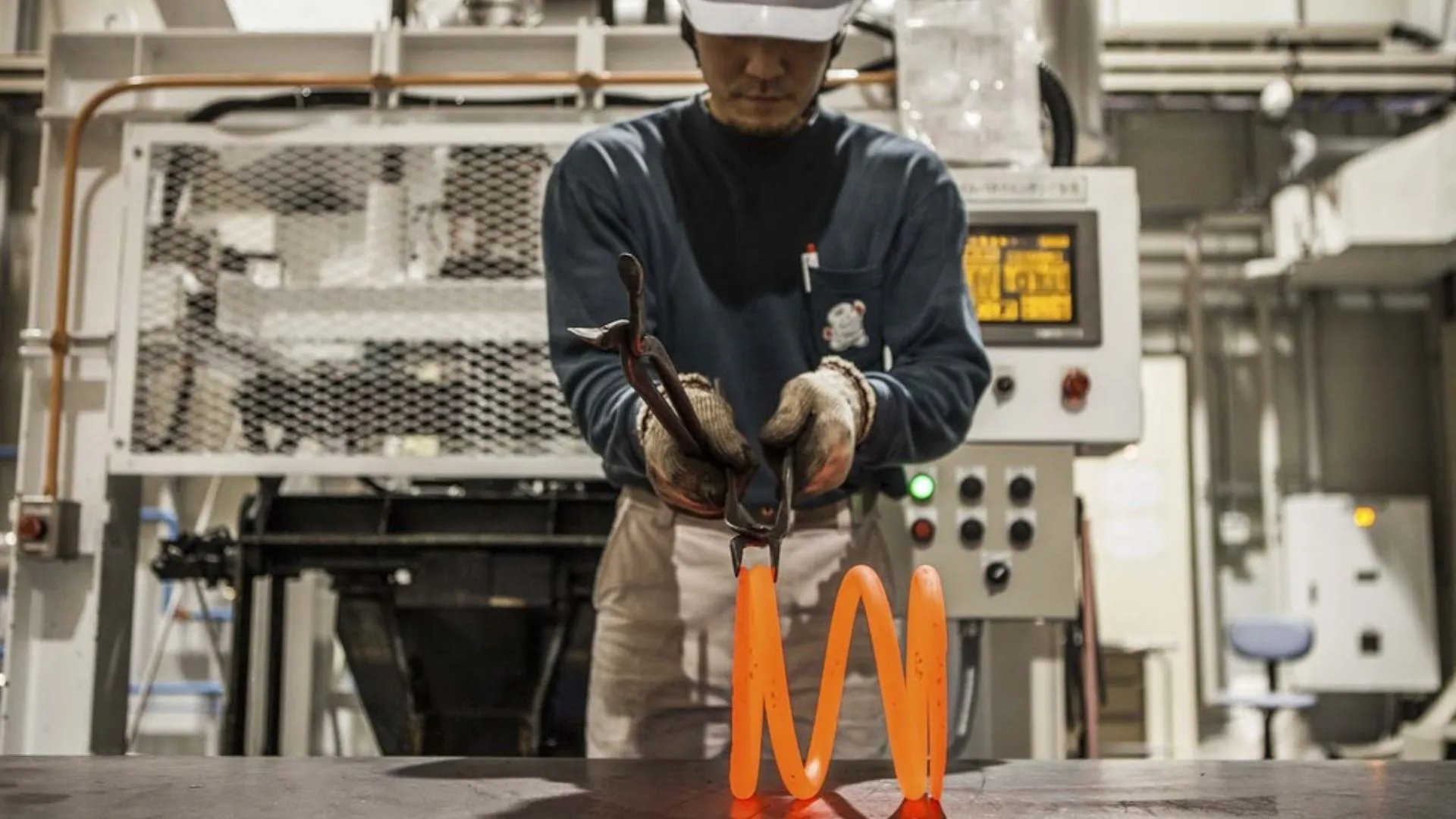
Stop guessing and sacrificing your machine’s uptime with standard catalog springs. To permanently solve the problem of frequently broken springs, you need a custom engineering approach.
As a high-precision spring manufacturer from Japan, Tokai Spring is ready to solve your machine troubleshooting problems. Our engineers will design custom springs from scratch based on your specific working environment, including:
- Mathematical fatigue life calculations to safely reach targets of millions of cycles.
- Load & Deflection adjustments to avoid maximum stress limits (overstress).
- Selection of exotic materials like Stainless Steel, Inconel, or Hastelloy for highly corrosive and high-temperature areas.
How long should a spring last and when should you order a spring with custom specifications? Read our guide in this article: When to Use Custom Springs vs. Standard Springs?
Consult Your Machine Spring Problems
Don’t let broken machine springs halt your factory’s profitability. Fill out the form below with your machine details and the specifications of the problematic spring. Our technical team will help design a high-precision custom spring solution from Tokai Spring with NO Minimum Order Quantity (MOQ).