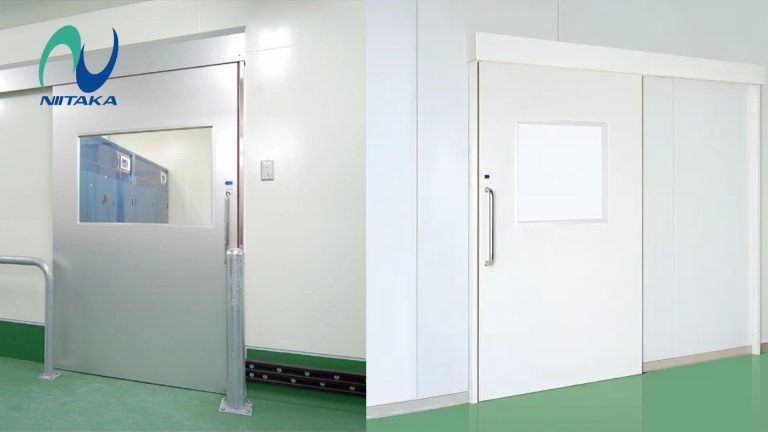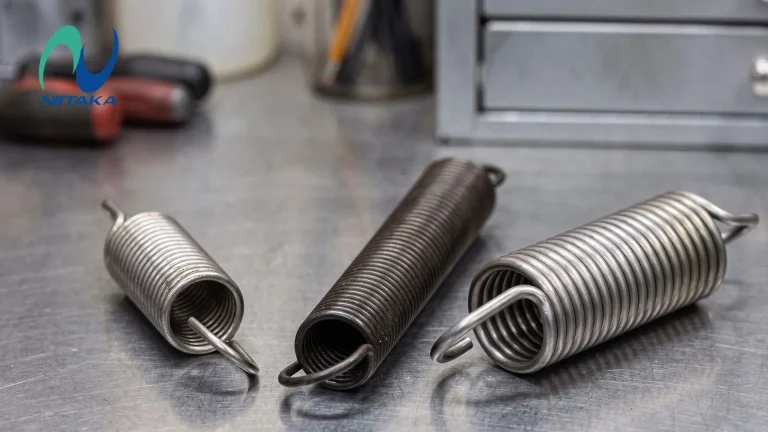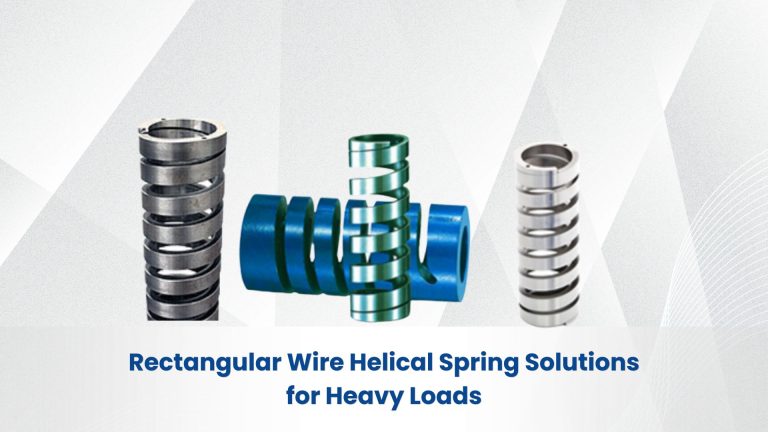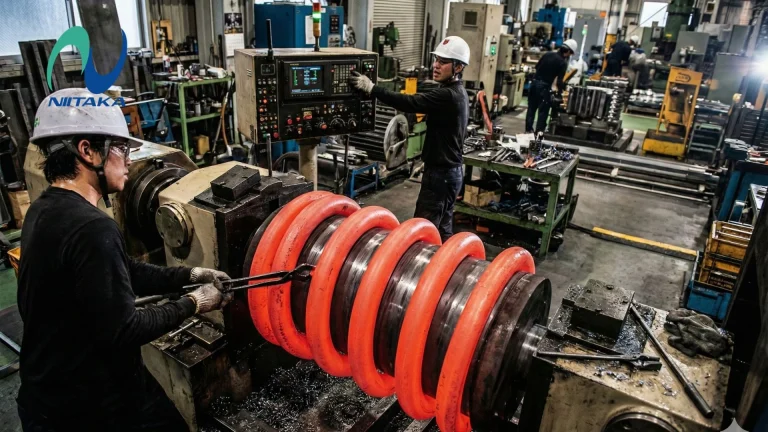
Japanese industrial rolling doors are designed for factories that prioritize reliability, controlled movement, and predictable maintenance. Instead of focusing on speed alone, these door systems emphasize long service life, stable operation, and reduced downtime. This article explains how Japanese industrial rolling doors support factory operations and why they are widely used in manufacturing and pharmaceutical facilities.

Why Industrial Rolling Doors Are Critical in Factory Environments

In industrial facilities, doors operate as part of the production system rather than simple access points. A factory door may open and close hundreds of times each day, interacting with forklifts, pallet trucks, and personnel movement.

Industrial rolling doors are commonly used because they operate vertically, require minimal side space, and can be integrated with automation systems. In factories with strict operational discipline, door reliability directly affects productivity, safety, and environmental control.

Japanese industrial rolling doors are developed with this reality in mind, focusing on consistency and mechanical stability rather than short-term cost efficiency.

What Makes Japanese Industrial Rolling Doors Different

Japanese manufacturers approach industrial door design with a long-term operational perspective. Instead of optimizing for low initial cost, they prioritize durability, predictable performance, and ease of maintenance.

Typical characteristics include:

  • Controlled opening and closing movement to reduce mechanical stress
  • High-quality components designed for high-cycle industrial use
  • Stable door curtain alignment to prevent deviation during operation
  • Simple mechanical structures that reduce failure points

This design philosophy is particularly valuable in facilities where downtime is costly and maintenance access is limited.

Typical Applications in Industrial Facilities

Industrial rolling doors from Japan are commonly installed in environments that require dependable operation over long periods.

Manufacturing Plants

In production areas, these doors separate work zones while maintaining smooth material flow. Their stable operation helps reduce disruptions caused by door misalignment or sudden stoppages.

Warehouses and Logistics Areas

At loading and internal logistics points, industrial rolling doors help control airflow and improve traffic efficiency without occupying excessive space.

Pharmaceutical and Controlled Environments

In pharmaceutical plants, door performance impacts hygiene control. Japanese industrial rolling doors are often selected for their consistent movement and compatibility with automation systems that reduce human contact.

Maintenance Considerations: A Long-Term Advantage

Maintenance is often overlooked during door selection, yet it becomes a critical factor over time. Poorly designed industrial doors may require frequent realignment, component replacement, or emergency repairs.

Japanese industrial rolling doors are typically engineered to:

  • Distribute mechanical load evenly across components

  • Minimize wear on motors and drive systems

  • Allow predictable inspection and servicing schedules

This approach enables maintenance teams to plan servicing activities rather than reacting to unexpected failures, supporting smoother factory operations.

Selecting the Right Industrial Door for Your Facility

Choosing an industrial rolling door should involve evaluating more than dimensions and pricing. Decision-makers should consider:

  • Daily operational cycles

  • Environmental conditions such as dust or temperature differences

  • Availability of technical support and spare parts

  • Long-term maintenance planning

Japanese industrial rolling doors are often selected by facilities that value operational stability and predictable performance over time.

Authorized Supply and Support in Indonesia

Japanese industrial door systems such as Monban are available in Indonesia through authorized distributors. Working with an official supplier ensures proper installation, technical consultation, and long-term maintenance support.

Contact us now via WhatsApp by click the button below or fill the form to get in touch with us.

Get in Touch
Please fill out the form below for any inquiries or project needs. Our team will respond to you shortly.

Similar Posts

Leave a Reply

Your email address will not be published. Required fields are marked *